
- You are here:
- Home »
- Blog »
- Dog Exercise »
- How Much Exercise Does a Dog Need: A Complete Guide to Daily Activity Requirements
How Much Exercise Does a Dog Need: A Complete Guide to Daily Activity Requirements
Introduction
Adult dogs typically need 30 minutes to 2 hours of exercise daily, but the right amount for your four-legged friend depends on breed, age, health status, and individual temperament. Getting this balance wrong-in either direction-can lead to destructive behaviors, weight gain, joint problems, or worse.
This guide covers daily exercise requirements across every life stage, from puppies through senior dogs, and addresses both physical activity and mental stimulation needs. It’s written for dog owners who want evidence-based guidance rather than guesswork when building an appropriate exercise routine. Whether you’ve just brought home a new dog or you’re adjusting routines for an aging companion, understanding how much exercise your dog actually needs is foundational to their health, behavior, and quality of life.
Direct answer: Most dogs need a minimum of 30–60 minutes of daily exercise, while high-energy breeds require one to two hours or more. Exercise needs vary by breed, size, health, and individual temperament.
After reading this guide, you will be able to:
- Assess your individual dog’s exercise needs based on breed, age, and health
- Build a safe, effective dog exercise routine that includes both physical and mental components
- Recognize warning signs of under-exercising and over-exercising
- Understand the direct link between proper exercise and improved behavior
- Adapt routines for special circumstances like weather, health conditions, or time constraints
Understanding Exercise Fundamentals for Dogs
Before calculating minutes and miles, it helps to understand what actually counts as dog exercise-and what doesn’t. Simply letting your dog outside or providing backyard access is not exercise. Structured or semi-structured activity that elevates heart rate, builds strength, or engages the brain is what moves the needle on behavior and health.
Physical Exercise vs Mental Stimulation
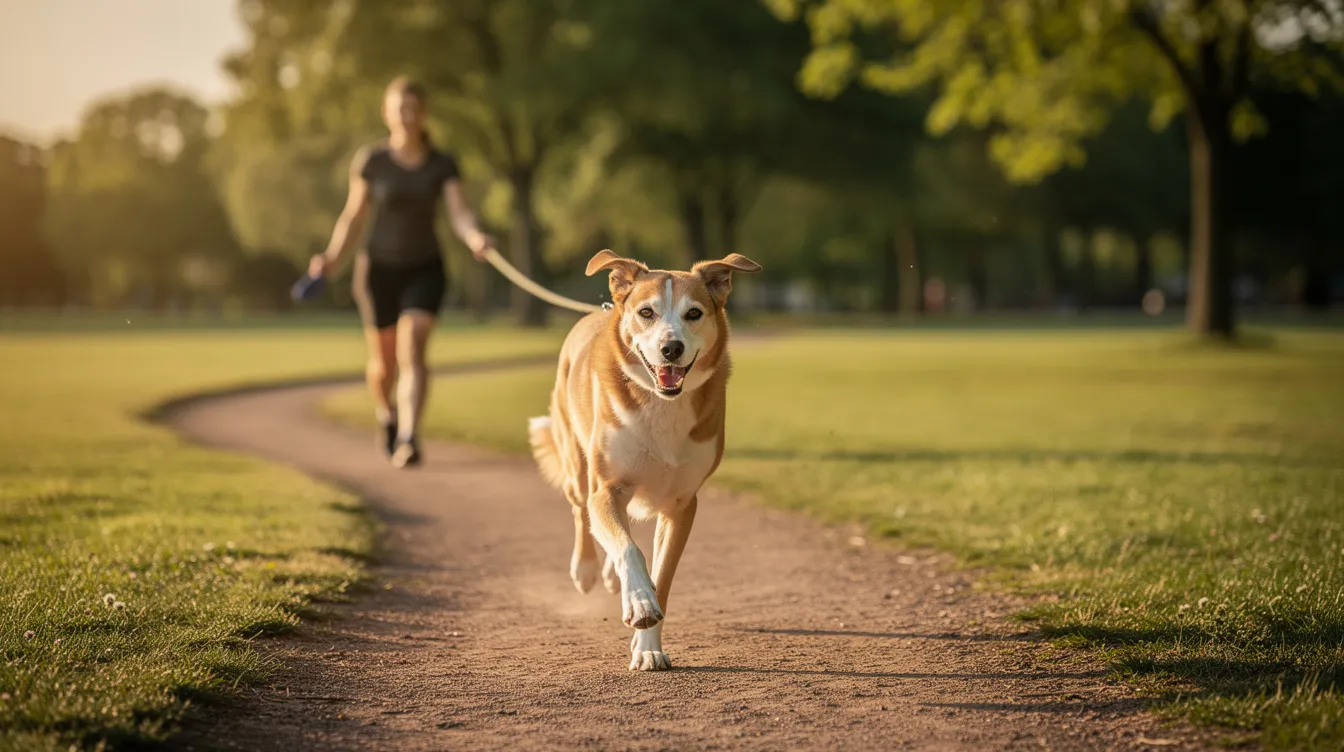
Physical exercise includes activities like dog walks, running, swimming, fetch, and agility training-anything that gets your dog moving and elevates cardiovascular effort. These activities maintain cardiovascular health, strengthen bones, joints, and muscles, and help your dog maintain a healthy weight.
Mental stimulation, on the other hand, involves training sessions, scent work, puzzle feeders, and problem-solving games like hide and seek. Here’s what many owners don’t realize: mental exercise can tire a dog without physical activity. A 15-minute training session can leave a dog as fatigued as a 30-minute walk. This is especially valuable for dogs recovering from injury, brachycephalic breeds with exercise limitations, or days when weather keeps everyone indoors. Training-focused approaches to mental engagement-like the obedience programs offered at Off Leash K9 Training-combine both mental and behavioral benefits.
Exercise vs Activity
General daily movement-wandering around the house, bathroom breaks, brief trips to the yard-constitutes activity but rarely qualifies as exercise. Many dogs get hours of low-level activity each day while remaining under-exercised. A dog that has a large backyard but no structured exercise will often display the same restlessness, chewing, and unwanted behaviours as an apartment dog that never gets walked.
Regular exercise means intentional, sustained effort: a good walk at a brisk pace, a fetch session, a structured play period. Backyard access supplements exercise but doesn’t replace it. Understanding this distinction is the first step toward figuring out how much exercise your dog truly needs.

Key Factors That Determine Your Dog’s Exercise Needs
No single recommendation works for every dog. A Border Collie’s needs bear little resemblance to a Bulldog’s. A puppy’s safe limits differ dramatically from an adult dog’s capacity. Here’s how to evaluate the key variables.
Breed Characteristics and Energy Levels
A dog’s breed heavily influences how much exercise they need daily. Exercise needs vary dramatically across breed groups:
Working, sporting, and herding breeds are built for sustained effort. High-energy working breeds need 1.5 to 2 hours of activity daily, and some high-energy breeds may require up to 2–3 hours of exercise daily. Breeds like Border Collies, Australian Shepherds, Belgian Malinois, German Shepherds, and Huskies fall into this category. These dogs love vigorous challenges-running, swimming, agility training, and structured tasks. Without sufficient outlets, they’re prone to digging, destructive behaviors, and excessive barking.
Medium-energy breeds like Labradors, Beagles, and many Spaniels typically need about 1 hour of daily activity. Medium-sized dogs require 60 to 90 minutes of exercise daily when factoring in both structured exercise and active play sessions.
Lower energy breeds and companion dogs have more modest needs. Tiny breeds generally need 30 to 60 minutes of daily activity, though some tiny breeds often need only 20–30 minutes of exercise daily. Low-energy breeds require 20 to 40 minutes of gentle exercise daily-think Basset Hounds, Shih Tzus, and similar couch potato breeds.
Brachycephalic breeds (Bulldogs, French Bulldogs, Pugs, Boston Terriers) are a special category. Their shortened airways-featuring stenotic nares, elongated soft palates, and sometimes hypoplastic tracheas-limit efficient airflow and thermoregulation. Brachycephalic breeds require low-intensity exercise to avoid overheating. Sessions should stay around 20–30 minutes, broken into shorter intervals, and scheduled during cooler hours-particularly important in Atlanta’s summer heat.
Age and Life Stage Considerations
Puppies have abundant energy but fragile developing bodies. Puppies should get 5 minutes of exercise per month of age, done twice daily. A 4-month-old puppy would get roughly 20 minutes per session, twice a day. Puppies need short play sessions several times daily, and puppies should generally enjoy frequent self-paced play instead of long walks. Puppies require short bursts of exercise due to their energy levels and developing skeletal systems. High-impact activities-long-distance running, jumping from heights, hard surfaces-should be avoided until growth plates close, which can take 12–18 months for larger breeds and up to 24 months for giant breeds. Proper puppy training during this period provides valuable mental stimulation while protecting developing joints.
Adult dogs are at peak exercise capacity. Adult dogs typically need 30 minutes to 2 hours of exercise daily, depending on breed and energy level. Large or high-energy breeds need over 90 minutes of activity each day, while moderate-energy adults thrive with 45–60 minutes split across two sessions.
Senior dogs still need regular exercise, just modified in intensity. Senior dogs should get at least 30 minutes of low-impact exercise daily. Senior dogs benefit from multiple gentle walks rather than one long outing-shorter, more frequent sessions protect aging joints while keeping your dog moving. When “senior” begins depends on size: large and giant breeds may be considered senior at 5–7 years, while small dogs may not reach that threshold until 10–12 years.
Health Status and Physical Limitations
Health conditions can limit a dog’s exercise capacity significantly. Dogs with osteoarthritis, heart disease, respiratory conditions, or obesity need modified routines-shorter sessions, gentler surfaces, and gradual progression. Always get veterinary clearance before ramping up exercise for a dog with any medical condition.
For overweight dogs, exercise helps maintain a healthy weight, but increasing activity by even 10–20% over the current baseline-combined with dietary adjustments-can produce meaningful results. Start slow: a dog that’s been sedentary shouldn’t suddenly get a long walk or an intense game of fetch. Gradual conditioning prevents injury and builds sustainable habits.
A dog’s personality influences their preferred exercise type too. Some dogs thrive on solo fetch sessions while others need interaction with other dogs. Continuous monitoring of a dog’s behavior helps assess its exercise needs over time.

Exercise Requirements and Practical Implementation
With the assessment factors established, here’s how to translate them into a working exercise routine.
Daily Exercise Guidelines by Category
Walking is the most accessible form of exercise for dogs and forms the backbone of most routines. But a complete routine goes beyond regular walks. Here’s a step-by-step process for implementation:
- Assess your dog’s category and baseline needs – Consider your dog’s breed, age, current health, weight, and behavior patterns. Use a dog exercise calculator as a starting reference point.
- Start with minimum requirements and observe response – Begin at the lower end of your dog’s recommended range and watch for behavioral cues over 1–2 weeks.
- Gradually increase duration and intensity as appropriate – Add 5–10 minutes per session or introduce moderate-intensity activities once your dog handles the baseline comfortably.
- Incorporate both physical and mental stimulation daily – Pair physical activity with training sessions, scent work, or puzzle toys. Even 10–15 minutes of structured mental exercise supplements physical activity meaningfully.
Exercise Intensity and Activity Types
Not all exercise is equal. Varying intensity throughout the week keeps your dog engaged and prevents overuse injuries.
| Intensity Level | Examples | Duration | Best For |
|---|---|---|---|
| Light | Short walks, sniffing tours, basic training, gentle play | 20–30 minutes | Senior dogs, small dogs, brachycephalic breeds, recovery |
| Moderate | Brisk walks, fetch, flat-trail hiking, swimming | 45–90 minutes | Most adult dogs, daily exercise maintenance |
| Intense | Running, agility training, off-leash play, inline skating alongside | 30–120+ minutes | High energy breeds, working dogs, conditioned athletes |
High energy breeds require a mix of moderate and intense sessions throughout the week. Regular exercise boosts dogs’ cardiovascular health, and daily activity strengthens bones, joints, and muscles across all intensity levels. Exercise reduces destructive behaviors in dogs-many owners find that behavioral problems diminish substantially once their dog gets enough exercise.
Regular walks can alleviate anxiety and boredom in dogs, making them calmer, more focused, and easier to train. The connection between adequate exercise and training success is direct: a dog that’s received appropriate physical activity is far more receptive to learning.
Common Exercise Challenges and Solutions
Even owners with the best intentions face obstacles. Here are practical solutions for the most common barriers.
Weather Limitations and Indoor Alternatives
Atlanta’s heat and humidity can make outdoor exercise dangerous, especially for brachycephalic breeds and senior dogs. When outdoor conditions aren’t safe, provide mental stimulation and indoor activity instead:
- Treadmill training (introduced gradually with positive reinforcement)
- Indoor fetch in hallways or large rooms
- Stair climbing for dogs without joint problems
- Hide and seek games that combine movement with scent work
- Puzzle feeders and interactive toys that are both mentally and physically tiring
Even during long periods of bad weather, these alternatives keep your dog moving and mentally engaged.
Behavioral Issues During Exercise
Leash pulling, reactivity toward other dogs, and distraction make dog walks stressful rather than beneficial. These aren’t just annoyances-they prevent your dog from getting enough exercise because owners cut walks short or avoid them entirely. Reactive and aggressive dog training can address the root causes, transforming exercise time from a battle into something both owner and dog enjoy. Proper canine socialization also reduces reactivity during outdoor activities.
Time Constraints and Scheduling
Many dogs don’t get the exercise your dog needs simply because owners run short on time. Efficient strategies help:
- Combine training with exercise (obedience work during walks doubles as mental exercise)
- Schedule two shorter sessions rather than one long walk-morning and evening-which is better for both you and your dog
- Use play sessions in the yard to supplement structured walks on busy days
- Consider dog walker services or board and train programs for periods when your schedule doesn’t allow adequate exercise
Early morning and evening routines work best in warm climates, avoiding peak heat while fitting into work schedules.
Monitoring Progress and Adjusting Your Routine
Building a routine is only the beginning. Ongoing observation tells you whether your dog is getting the right amount of exercise.
Signs your dog is getting appropriate exercise: calm behavior at home, ability to settle after activity, healthy weight, restful sleep, enthusiasm for play, and overall good health. A well-exercised dog is a well-behaved dog.
Signs of insufficient exercise: destructive behaviors (chewing furniture, digging holes), hyperactivity, excessive barking, restlessness, weight gain, and difficulty calming down. Many dogs labeled as “badly behaved” are simply under-exercised.
Signs of over-exercise: excessive panting or changes in behavior may indicate over-exercise. Watch for reluctance to move, joint stiffness, limping, delayed recovery after sessions, and discomfort during or after activity. Brachycephalic breeds face greater risk of respiratory crisis from overexertion. If your dog shows any of these signs, scale back immediately.
When behavioral issues persist despite adequate exercise, or if health issues complicate your dog’s routine, consult your veterinarian or a professional dog trainer who can evaluate your specific situation.
Conclusion and Next Steps
Proper exercise is foundational to your dog’s health, behavior, and overall well-being. Regular exercise supports physical health, cognitive function, emotional well-being, and training success. A dog that gets the right amount of daily exercise is calmer, healthier, and far easier to live with.
Key takeaways: exercise needs depend on:
- Assess your current routine – Is your dog getting exercise appropriate for their breed, age, and health? Compare against the guidelines above.
- Identify your dog’s category – High energy, moderate, low energy, or special needs. This determines your daily exercise requirements.
- Start with minimum recommendations – Build gradually and adjust based on your dog’s behavioral and physical responses.
- Balance physical and mental – Every dog benefits from both regular walks and mental stimulation like training, scent work, and puzzle activities.
For dogs whose behavioral challenges-reactivity, poor leash manners, inability to settle-make exercise difficult or unsafe, professional training can be transformative. Off Leash K9 Training in Atlanta specializes in building the obedience foundation that makes exercise routines enjoyable and effective for both dogs and owners.
Related topics worth exploring: nutrition planning for active dogs, advanced training protocols for high-energy breeds, and senior dog care modifications to help your aging companion stay healthy and comfortable.
Related Posts
Multi-Dog Household Training Tips: Complete Guide to Managing Multiple Dogs
When to Start Puppy Obedience Training: Complete Guide for Atlanta Dog Owners
What Is an E-Collar for Dogs: A Complete Guide to Electronic Training Collars
Signs of Stress in Dogs: Expert Guide to Recognizing and Managing Canine Anxiety
The Complete Puppy Socialization Checklist: Essential Experiences for Your Puppy
How to Stop Puppy Biting: Professional Training Guide for Atlanta Dog Owners