
- You are here:
- Home »
- Blog »
- Puppy Training »
- Basic Dog Training Commands Every Owner Should Know
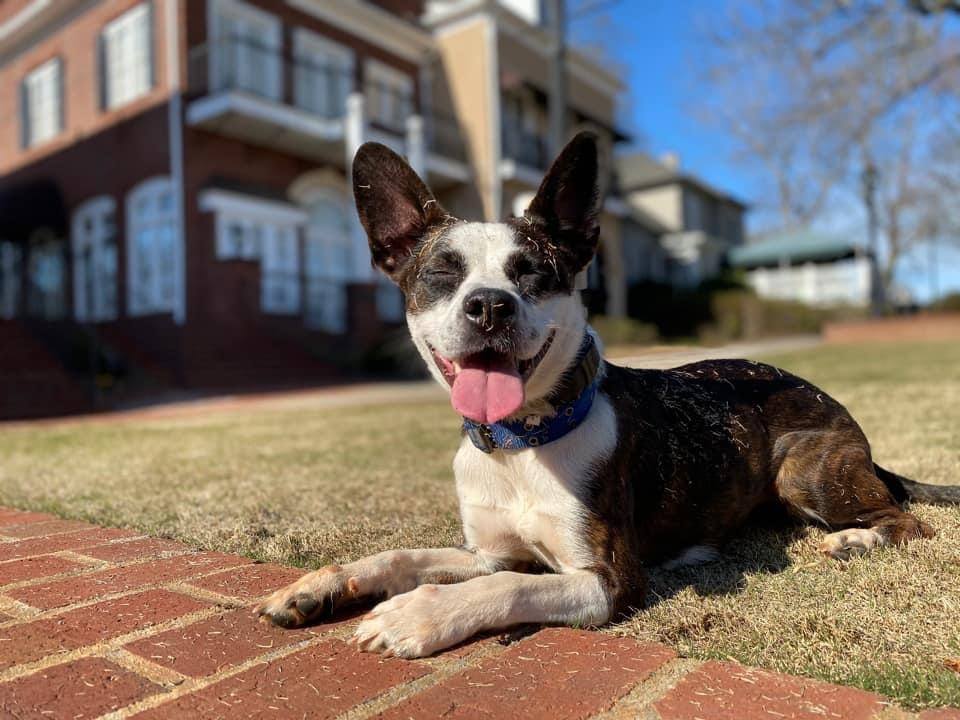
Basic Dog Training Commands Every Owner Should Know

Basic dog training commands give you a practical way to communicate during walks, greetings, meals, and household routines. Start with attention, sit, down, stay, come, place, leave it, and drop it. Add a clear release cue so your dog understands when an exercise ends.
Teach one small action at a time in a quiet setting. Reward the response promptly, practice briefly, and increase difficulty gradually. A command becomes useful through repeated learning across situations, rather than simply hearing the same word many times.
These skills support everyday cooperation, but they do not replace supervision or physical safeguards. Your dog may respond indoors before understanding the same task around visitors or outdoor distractions. Build that understanding patiently and choose goals that fit your dog’s age, comfort, and experience.
Here is what you will learn:
- Which foundational cues serve everyday needs.
- How to teach clear responses without rushing.
- Ways to practice commands during normal routines.
- Common mistakes that make instructions confusing.
- When professional guidance can help.
Understanding Commands, Cues, and Rewards
A command is often called a cue in training. Both describe a signal asking for a particular behavior. The useful part is a clear association between the signal, the action, and what follows.
Choose consistent words and hand signals. If different people use “down” for lying down and getting off furniture, your dog receives conflicting information. Agree on wording before practicing.
Use rewards your dog enjoys and can receive comfortably. Food, appropriate play, or access to a suitable activity may help reinforce learning. AVSAB’s humane dog training guidance recommends reward-based training methods.
A marker such as “yes” or a click can identify the correct moment when it has been taught to predict a reward. It is separate from the command. Keep timing clear rather than talking continuously while your dog tries to respond.
Essential Dog Training Commands and Their Uses
| Cue | Requested behavior | Everyday purpose |
| Name or attention | Turn toward the handler | Reconnect before another instruction |
| Sit | Place rear on the floor | Brief cooperative pauses |
| Down | Lie down comfortably | Resting and stationary practice |
| Stay | Maintain position until released | Short waits in managed settings |
| Come | Return within reach | Reconnecting at a safe distance |
| Place | Go to a designated area | Household settling routines |
| Leave it | Disengage from a target | Avoiding selected distractions |
| Drop it | Release an item | Cooperative exchanges |
| Release | End the current task | Clarifying when movement is permitted |
The exact words are flexible, but their meanings should remain consistent. Not every exercise needs a formal position. Comfortable standing or voluntary attention may serve a practical goal without requiring your dog to sit repeatedly.
How to Teach the Core Commands
Attention or Name Response
Begin near your dog in a quiet room. Say their name once when they can notice you and reward turning toward you. A head turn can count without demanding prolonged eye contact.
Practice during easy moments rather than waiting until your dog is intensely distracted. Once attention is reliable in that setting, introduce another quiet location. Use a separate cue when you want a specific action afterward.
Sit
On a comfortable, nonslip surface, guide your dog with a small food lure held near the nose and moved slightly upward and back. Reward when their rear reaches the floor.
Keep the movement small and avoid pushing your dog into position. After the action becomes predictable, add the word and gradually reduce the lure. Reward the response without needing to display food before every repetition.
Down
Start from a comfortable position and guide a reward toward the floor where your dog can follow easily. Reward progress toward lying down, then the completed position.
Some dogs find different surfaces or movements difficult. Avoid pressing on the back or pulling legs. If a familiar movement suddenly becomes uncomfortable, discuss the change with your veterinarian rather than treating it as refusal.
Stay
Begin with a position your dog already knows. Give the cue, pause briefly while remaining nearby, reward staying, and release clearly. Keep the first duration short enough for success.
Increase time before adding distance. Then practice a small step away and return to reward. Change duration, distance, and distractions separately so you can identify which challenge affects the response.
Come
Practice a short return in a quiet room or secure area. Give your cue once when success is likely, encourage movement toward you, and reward arrival close enough for comfortable handling.
Keep the return welcoming and never punish your dog for arriving late. VCA’s guidance on teaching recall explains that no recall is perfect. Keep your dog on a leash wherever vehicles or large animals could cross their path.
Place or Mat
Choose a stable mat or bed where your dog can rest comfortably. Reward approaching, stepping onto it, and eventually settling. Add the cue once the action is becoming predictable.
Build short duration while you stay nearby. Practice before using the skill during a meal or busy greeting. Calm behavior includes comfort, so do not interpret a tense, motionless dog as automatically relaxed.
Leave It
Begin with a harmless, low-interest setup. Keep the item inaccessible and reward your dog for disengaging or turning toward you. Deliver the reward from another location rather than giving the item you asked them to leave.
Add the cue as the disengagement becomes predictable. Never use dangerous food or objects to test learning. Management must prevent access while the skill develops, especially around items that could harm your dog.
Drop It
Use a safe toy your dog enjoys without guarding. Offer an appealing exchange and reward releasing it. When the exchange is comfortable and predictable, introduce your cue.
Avoid chasing or prying an item from the mouth during practice. If your dog stiffens, growls, or threatens to bite near possessions, stop and seek individual guidance. Guarding needs a different assessment from ordinary cooperative exchanges.
Release
Choose a word such as “free” or “all done.” Say it when an exercise ends and allow your dog to move into another appropriate activity.
Use the same release meaning across stationary exercises. Avoid confusing it with praise. Rewarding does not automatically mean the exercise has ended.
Loose Leash Walking and Heel
Leash skills support coordinated movement rather than requiring your dog to stare at you throughout every walk. Begin in a quiet area and reward a few steps beside you with a loose leash.
Allow suitable sniffing breaks and use clear cues for structured walking versus exploration. Good leash control involves safe handling, comfortable equipment, and awareness of surroundings. Avoid sudden turns or jerks that surprise your dog.
Different training plans use heel differently. Clarify the expected position and duration with your instructor.
For everyday walks, focus first on manageable distance and comfortable coordination. A crowded sidewalk is a harder exercise than a quiet hallway. Reduce difficulty when your dog cannot respond.
A Practical Daily Training Routine
Start easily: Capture a brief check-in and practice one familiar cue. Confirm that your dog appears comfortable and ready to participate.
Choose one goal: Work on a small improvement, such as a slightly longer stay or closer recall finish. Avoid trying to strengthen every command simultaneously.
Finish clearly: End with an achievable response, reward, and release. Record what worked and what you will repeat next time.
The RSPCA’s general training guidance recommends short, regular sessions and ending with an exercise your dog already knows. Adjust the duration to your dog’s attention rather than drilling until a timer expires.
For example, practice a brief stay while you stand nearby today. Tomorrow, repeat that task before adding one small movement. This sequence lets you compare the response without changing everything at once.
Use Commands in Everyday Situations
Doors and Entrances
Practice brief pauses at a secure interior doorway before adding an exterior entrance. Maintain physical safeguards so a missed response does not allow escape.
Release deliberately when movement is appropriate. Do not use an open front door as an early test. A trained cue supports management rather than replacing it.
Meals and Visitors
Teach place outside mealtimes, then practice around mild household activity. Reward comfortable resting and keep expectations short initially.
For visitors, rehearse with one cooperative helper before expecting responses during a gathering. Use gates or another suitable arrangement when your dog needs space. Do not require contact with every guest.
Walks and Public Spaces
Practice attention and coordinated movement in quiet surroundings first. Reliable obedience, calm behavior, and gradual exposure help prepare dogs for busier public spaces.
Keep outings short and suitable for your dog. Follow site rules, maintain a leash where needed, and leave if the environment becomes overwhelming. Indoor success does not establish readiness for every destination.
Common Mistakes That Make Commands Confusing
Repeating Words Without a Response
Repeated instructions can become background noise. Give a cue when your dog can respond, then simplify if they struggle.
Check what learning is missing. A quieter location or shorter duration may help more than repeating the same word louder. Avoid turning practice into a contest.
Changing Several Challenges Together
New distance, movement, and distractions create a different task. Change one feature, observe the response, and adjust before progressing.
Keep easy practice in the routine and reward manageable success.
Rewarding Too Late
Prepare rewards before giving instructions. Identify the requested response and reinforce it before your dog moves into another action.
For example, reward sit while your dog is sitting rather than after they jump toward your hand. Clear timing makes the consequence easier to connect with the task.
Expecting Commands to Solve Every Concern
Commands provide communication, but they do not independently resolve anxiety, aggression, or reactivity. A dog may perform sit while still feeling distressed.
Increase distance from triggers and prioritize safety. Program suitability depends on an individual assessment of your dog’s behavior, history, and handling needs. Progress also depends on consistent owner follow-through. Outcomes vary, and obedience does not guarantee safe behavior in every interaction.
When Professional Guidance Can Help
The available Atlanta dog training services include obedience lessons, puppy foundations, and personalized coaching. Discuss the specific skills you want to practice before selecting a program.
Explain where your dog responds and where the task becomes difficult. Bring examples involving distance, distractions, handling, and reward timing. Clear observations help identify an appropriate starting point.
Ask which commands are included and what practice you will maintain at home. This keeps expectations tied to the actual program rather than assuming every training option teaches the same skills or outcomes.
Conclusion and Next Steps
Dog training commands become useful through clear teaching, meaningful rewards, and consistent practice across manageable situations. Start with a few practical cues, teach their meanings separately, and increase challenges gradually.
Maintain safety measures while responses develop. Track specific progress, adapt exercises to comfort and experience, and seek guidance when you cannot identify the next step. The goal is communication you can use throughout daily life.
FAQs
Which Command Should I Teach First?
Begin with attention and an easy action your dog can perform comfortably. Sit, a short return, or a hand target may provide a useful start. Choose according to your dog’s needs rather than a rigid order.
Can Older Dogs Learn Basic Commands?
Yes, older dogs can learn new cues and clearer routines. Account for hearing, mobility, and previous training. Discuss sudden changes in responsiveness with your veterinarian.
How Many Commands Should I Practice Daily?
Choose one developing skill and one or two familiar cues. Keep repetitions manageable and finish before participation becomes difficult. Quality matters more than covering the entire list.
Do I Need to Use Treats Forever?
Rewards remain useful for maintaining skills. Food is one option alongside appropriate activities your dog enjoys. Avoid removing reinforcement abruptly when increasing difficulty.
Why Does My Dog Listen Only at Home?
Other settings add competing smells, movement, and sounds. Begin with easier exercises and gradual exposure in each new location. Maintain appropriate management while responses develop.
Before choosing a program, talk with a professional about your dog’s obedience goals. Discuss the available support and how to continue practicing the relevant commands at home.
Related Posts
Multi-Dog Household Training Tips: Complete Guide to Managing Multiple Dogs
When to Start Puppy Obedience Training: Complete Guide for Atlanta Dog Owners
What Is an E-Collar for Dogs: A Complete Guide to Electronic Training Collars
How to Stop Puppy Biting: Professional Training Guide for Atlanta Dog Owners
How to Teach a Dog to Come When Called: A Practical Routine for Building Reliable Recall
How to Teach Your Dog to Stay: Complete Guide for Lasting Results