
- You are here:
- Home »
- Blog »
- Puppy Training »
- Understanding Puppy Zoomies: A Complete Guide for Dog Owners
Understanding Puppy Zoomies: A Complete Guide for Dog Owners
Introduction
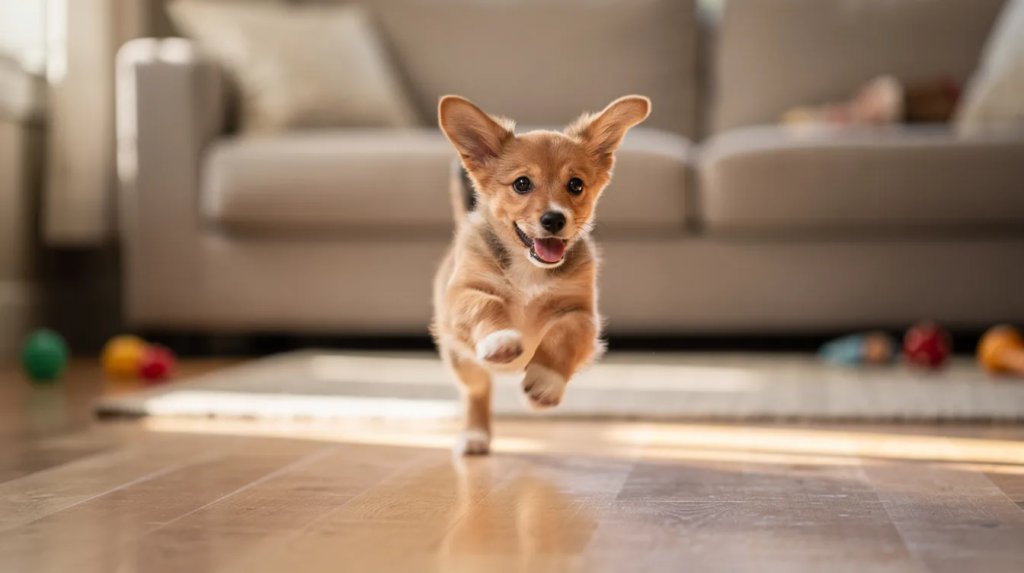
Puppy zoomies are sudden, intense bursts of high-energy behavior where your pup sprints, spins in circles, and bounces off furniture before flopping down as if nothing happened. Formally called frenetic random activity periods (FRAPs), these episodes are completely normal and typically last only a couple of minutes. Puppy zoomies are also known as Frenetic Random Activity Periods (FRAPs), a term veterinary behaviorists use to describe these self-terminating energy releases.
This guide covers what zoomies look like, why they happen, how to manage them safely, and when the behavior crosses into territory that warrants professional help. It does not cover breed-specific training protocols or advanced obedience work; for those topics, consult a trainer directly. The target audience is dog owners raising puppies or young dogs who want to understand what’s happening when their pet suddenly tears through the house at full speed.
Zoomies are generally normal and harmless in healthy puppies. They represent a short burst of energy release that ends on its own, usually within one to three minutes, and they require management rather than correction.
By the end of this guide, you will be able to:
- Recognize the physical signs that distinguish genuine zoomies from stress or fear responses
- Identify common triggers like baths, crate release, and evening energy buildup
- Apply strategies to keep zoomie episodes safe and reduce their frequency
- Determine when a puppy’s behavior warrants veterinary or professional training support
Understanding Puppy Zoomies
Zoomies involve sudden, intense bursts of high-energy behavior in puppies. Cornell’s College of Veterinary Medicine describes FRAPs as having an “abrupt onset of rapid, seemingly random movement” that ends as suddenly as it begins, often with the dog lying down or settling into a calm posture. Zoomies are common in puppies and high-energy breeds, though older dogs can experience them too, just less often.
Young dogs are still learning to regulate their emotions and energy levels. This developmental immaturity means puppies toggle between two modes during their waking hours: bursts of activity followed by rest. Puppies aged two to four months sleep roughly 15 to 18 hours per day, so the windows of wakefulness tend to concentrate energy into short, explosive episodes.
Physical Signs of Zoomies
During a typical episode of dog zooming, you will see rapid running in tight or wide loops, spinning turns, play bows, and a tucked rear end between sprints. The dog’s posture stays loose and relaxed; the tail wags or stays up, the tongue flops out, and the eyes are soft rather than wide or dilated. These physical markers signal joy and energy release rather than distress.
Zoomies usually last only a couple of minutes. The pup accelerates to full speed, runs circles around furniture or across the yard, then slows abruptly, pants, and often drinks water before settling. This rapid recovery is a hallmark of a healthy FRAP. If your puppy’s body language matches this pattern, you are watching normal behavior.
Normal vs. Concerning Zoomie Behavior
A healthy zoomie has three characteristics: it is brief (seconds to two minutes), the dog’s posture is loose and playful throughout, and the puppy self-settles afterward without intervention.
Concerning signs include a stiff or rigid body, a persistently tucked tail, pinned ears, wide eyes, or snapping and growling during the episode. Episodes lasting several minutes without self-settling, or repeating multiple times per hour, can indicate unmet exercise needs or underlying anxiety. In older dogs, a sudden onset of zoomie-like behavior that was not present before may point to pain, neurological changes, or musculoskeletal problems worth discussing with a veterinarian.
The difference between fun and fear during a zoomie comes down to body language. A joyful pup runs with a relaxed face and open mouth; a stressed dog runs with tension through the jaw, shoulders, and tail. Learning to read your dog’s posture during these moments is the first step toward proper management.

Why Puppies Experience Zoomies
With the baseline of normal behavior established, the next question is what triggers these episodes. Zoomies are caused by excess energy build-up, but the specific catalyst varies.
Energy Buildup and Release
Puppies have high metabolic rates and immature arousal-regulation systems. Pent-up energy accumulates during periods of inactivity: naps, crate time, long stretches indoors. Cornell notes that a dog left home alone all day with limited stimulation often zooms to expel that stored energy. Puppies may get zoomies after being confined, such as in a crate, because the transition from stillness to freedom triggers a rapid discharge of extra energy. High-energy breeds like shepherds and retrievers, which carry more energy at baseline, tend to exhibit more frequent and intense episodes.
Emotional Triggers
Zoomies can occur due to excitement or anxiety. A puppy that becomes overly excited when its owner walks through the door, picks up the leash, or produces a treat may launch into a FRAP before the walk even starts. Overstimulation from play or training can trigger zoomies in puppies as well; a session that pushes arousal too high without a cooldown period often ends in a burst of dog zoomies.
On the flip side, zoomies also function as stress relief. After a tense experience, the FRAP acts like a physical shake-off. Zoomies can also occur after high-stress events like baths or grooming, serving as an emotional reset for the puppy.
Environmental and Situational Causes
Environmental triggers can also cause zoomies in dogs. Specific situations that reliably produce FRAPs include post-bath relief, meal completion, elimination (many puppies zoom after pooping), and being released from confinement. Puppies often experience zoomies after walks or play as well, when residual excitement has not yet dissipated.
There is also a time-of-day pattern. Many puppies are prone to zoomies at dawn and dusk, aligning with crepuscular activity rhythms. The “witching hour” in early evening is a period dog owners frequently report, especially when the puppy has not received enough exercise earlier in the day. Zoomies often occur after walks, baths, or meals, but they also happen at predictable times tied to household routines: family members arriving home, the leash coming off the hook, or the transition from indoor confinement to outdoor play in the fenced yard.

Managing Puppy Zoomies Safely and Effectively
Understanding why zoomies happen makes them easier to manage. The goal is not to eliminate them; the goal is to keep zoomie episodes safe, reduce episodes driven by under-stimulation, and build impulse control over time.
During Zoomie Episodes
When a FRAP starts, these steps reduce injury risk and help your puppy self-settle:
- Ensure a safe space is available. Create a safe environment to prevent injuries during zoomies. Move your pup to a carpeted room, the yard, or any enclosed space free of sharp edges, stairs, and breakable objects. A fenced yard or open ground works well.
- Avoid chasing your puppy during zoomies to prevent excitement. Running after a zooming dog escalates arousal and extends the episode. Stay calm and stationary.
- Use calm redirection. Redirect zoomies with training commands like “sit” or “stay” once the initial burst passes. A squeaky toy or a brief verbal cue can interrupt the loop without increasing stress. Provide chew toys to help calm your puppy during zoomies; a favorite chew gives the pup something to focus on as arousal drops.
- Allow natural completion. If the environment is safe, let the episode run its course. FRAPs are self-terminating. Intervening too early, especially by grabbing or restraining the dog, can increase stress and make future episodes more intense.
Prevention and Reduction Strategies
Consistent routines reduce zoomie frequency by addressing the root cause: energy and stimulation deficits. Daily exercise should include at least two walks for your puppy, adjusted for age and breed.
| Strategy | Implementation | Expected Results |
| Regular exercise schedule | Two or more daily walks, fetch, tug, or a good run at the dog park; duration adjusted for joint development in pups under six months | Fewer energy accumulations; puppy settles faster after activity |
| Mental stimulation activities | Puzzle feeders, scent games, training sessions focused on new skills, exposure to novel environments | Builds impulse control; engages the mind and reduces arousal-driven episodes |
| Structured rest schedule | Consistent nap times, crate or quiet bed area, a pre-bedtime routine that avoids stimulating play | Prevents overtiredness, which triggers evening FRAPs |
| Environmental management | Carpet or grass surfaces during play, remove hazards, designate indoor and outdoor zones for off-leash activity | Keeps zoomies safe when they do occur; reduces injury risk on slippery ground |
The right combination depends on your puppy’s energy level, breed, and daily routine. A retriever pup that does not get enough exercise will need longer walks and more intense play than a lower-energy breed. Toys, training commands, and structured rest all work together; no single strategy solves the problem alone.
For puppies that remain difficult to settle even with adequate exercise and mental stimulation, structured obedience training focused on impulse control can make a measurable difference.
Common Zoomie Challenges and Solutions
Even with good management, specific situations create recurring friction between puppy zoomies and household life.
Indoor Zoomies Causing Damage
When a puppy zooms through the house at speed, lamps break, rugs slide, and furniture shifts. The fix is environmental: designate a “zoomie zone” with cleared floor space and soft footing, move fragile items out of reach during high-activity windows, and redirect your pup outdoors when you see the buildup begin. Increasing outdoor exercise, especially before the times zoomies typically occur, reduces the frequency of indoor episodes. A quick walk or a few minutes of play in the yard before the usual trigger time preempts the problem.
Zoomies at Inappropriate Times
Late-night zoomies that wake the house, episodes during guest visits, or bursts that disrupt sleep all follow a pattern: the puppy has unspent energy at a moment when calm is needed. Establish a consistent routine that front-loads physical activity. If your pup reliably gets the zoomies at 9 PM, schedule a walk or play session at 7:30 PM. Over time, use training commands like “settle” or “place” to mark the transition from active time to rest. Reward calm behavior in the bed or crate with a treat, building the association between stillness and positive outcomes. This approach aligns with what behaviorists recommend: teaching dogs to switch from high arousal to calm on cue.
Aggressive or Fearful Zoomies
Occasionally, what looks like zoomies escalates into nipping, biting clothing, or snapping at other dogs or people. This happens when the puppy is overstimulated, fearful, or under-socialized. The distinction matters: zoomies are good when the behavior is joyful and self-limiting; they become a concern when aggression or fear enters the picture. If your puppy’s FRAPs include stiff body language, growling, or targeting people and pets, a professional behavior assessment is the right next step. Reactive and aggressive behavior programs use desensitization, counter-conditioning, and impulse-control exercises to address the underlying cause. Underlying medical issues like ear infections or joint pain that cause discomfort during movement should also be ruled out by a veterinarian.
Conclusion and Next Steps
Puppy zoomies are a completely normal part of canine development. They represent a healthy release of excess energy and emotional arousal, are common in puppies and young dogs across breeds, and typically resolve on their own within minutes. The owner’s job is to keep episodes safe and address the conditions that produce excessive or problematic FRAPs.
To put this guide into action:
- Establish a daily exercise routine with at least two walks and age-appropriate play
- Create a designated safe space indoors and use the fenced yard or enclosed space outdoors for off-leash activity
- Track when zoomies occur to identify patterns; adjust exercise timing to preempt predictable episodes
- Build impulse control through short, focused training sessions using cues like “settle” and “place”
- Schedule a professional consultation if zoomies are accompanied by aggression, fear, or failure to self-settle
Related topics worth exploring include breed-specific exercise requirements, nighttime behavior management, and structured programs that combine obedience with energy management.
Additional Resources
Off Leash K9 Training Atlanta offers puppy training programs that address energy management, impulse control, and obedience foundations. Their Puppy Power Combo package combines private lessons with structured exercises designed for young dogs still learning to regulate their behavior.
For dog owners unsure whether their puppy’s zoomies fall within the normal range, free phone consultations are available to discuss specific behavior concerns and determine whether a training program or veterinary referral is the appropriate next step.
Related Posts
Multi-Dog Household Training Tips: Complete Guide to Managing Multiple Dogs
When to Start Puppy Obedience Training: Complete Guide for Atlanta Dog Owners
What Is an E-Collar for Dogs: A Complete Guide to Electronic Training Collars
Signs of Stress in Dogs: Expert Guide to Recognizing and Managing Canine Anxiety
The Complete Puppy Socialization Checklist: Essential Experiences for Your Puppy
How to Stop Puppy Biting: Professional Training Guide for Atlanta Dog Owners